ON THE WAY TO SUN
The grandfather (retired scientist) was sitting in an armchair. Suddenly his 17 years grandson came and asked to
share the most interesting and inspiring moment you have ever experienced as a scientist at NASA. The grandfather
replied with a beaming smile. "okay my boy! I will share the most interesting story about how we have touched the
sun. have you ever heard about Parker Solar Probe?"
The grandson replied with curiosity, "No grandpa, but I am excited to know about it." Grandpa then said, "Okay then
my child I will like to share with you the story of the succession of the Parker Solar Probe, the first-ever
human-made model/satellite to touch the sun's surface.but before knowing about the Parker Solar Probe you need to
know about how space science evolved."(Now the story begins)
In the early 20s space science progression was in its threshold stage. By the evolution of humans, different
inventions took place at different intervals of time. Due to the curious nature of human being, they became
more enthusiastic to know detail about how the universe work. The only way to explore and satisfy their curiosity
was to dive into the depth of space. Since the concept of space science evolved and different inventions have
taken place so that people can get more knowledge about outer space. To grab more information about space science
Telescope was invented. This tool helped a lot of scientists to expand their understanding of space studies such
as planetary motion, the structure of planets, clusters, etc. It was the first step for humans to enter the
space field. But this invention limited the study and exploration of space from the earth only. After the
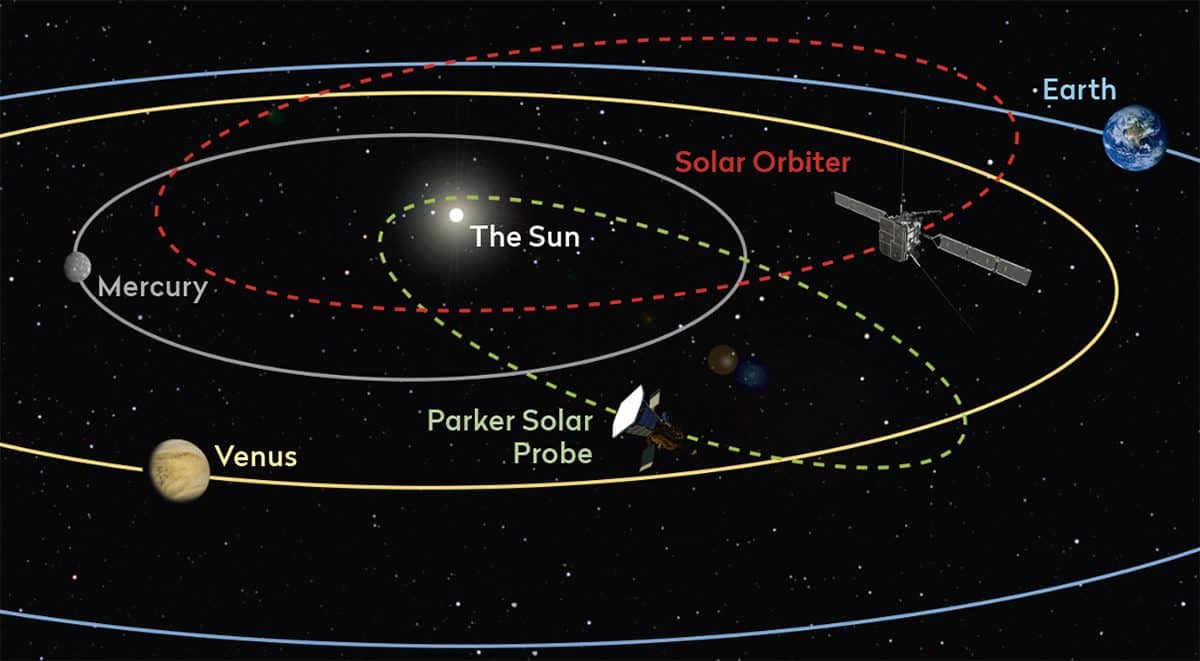
introduction of gravity and gravitational force, rockets, satellites, and spacecraft were invented. From the start of space activity, scientists recognized that spacecraft could gather scientifically valuable data about the various planets, moons, and smaller bodies in the solar system. During this process, different satellites have been sent to different other planets for their research. Among them, the parker solar probe is also one of the greatest inventions that were invented for the research of our sun.
Sixty years after NASA set a goal, and three years after its parker solar probe launched, the spacecraft has become the first to “touch the sun”. An incredible moment that has provided scientists vital information on the nature of our closet star that may help us unlock its mysteries. Like the Earth has layers of the atmosphere the sun also has its layer, photosphere, chromosphere, and corona Most of us might have thought that the surface of the sun, must be the hottest but we are wrong here, the hottest part of the sun is its outer layer corona. The corona starts about 2100 kilometers above the surface of the sun and reaches half a million degrees Celcius, 80 times higher than the surface. That's like walking away from a fire and the temperature getting warmer as you get further away from it. This achievement of the parker solar probe makes it even more commendable.